
Overview
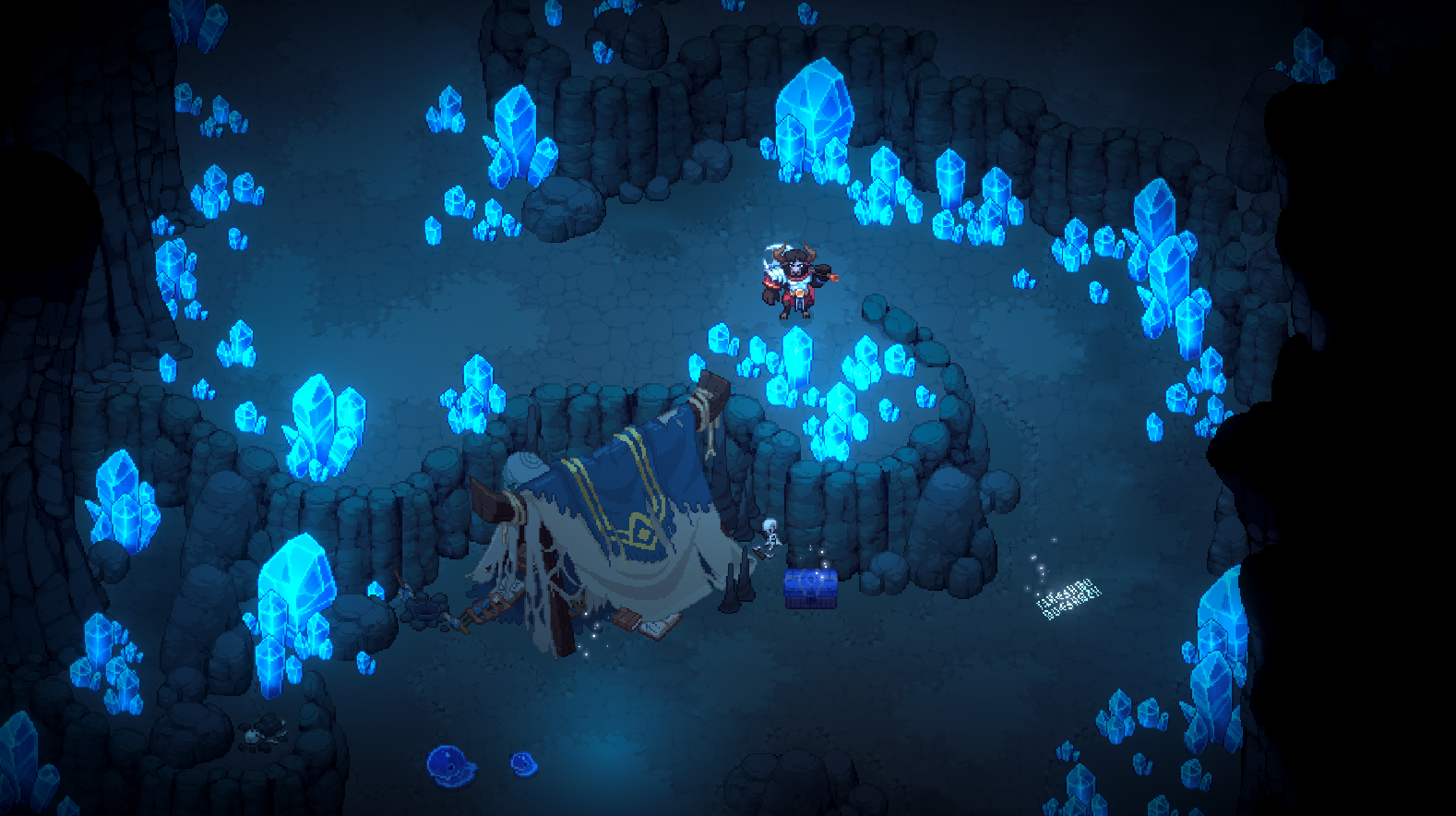
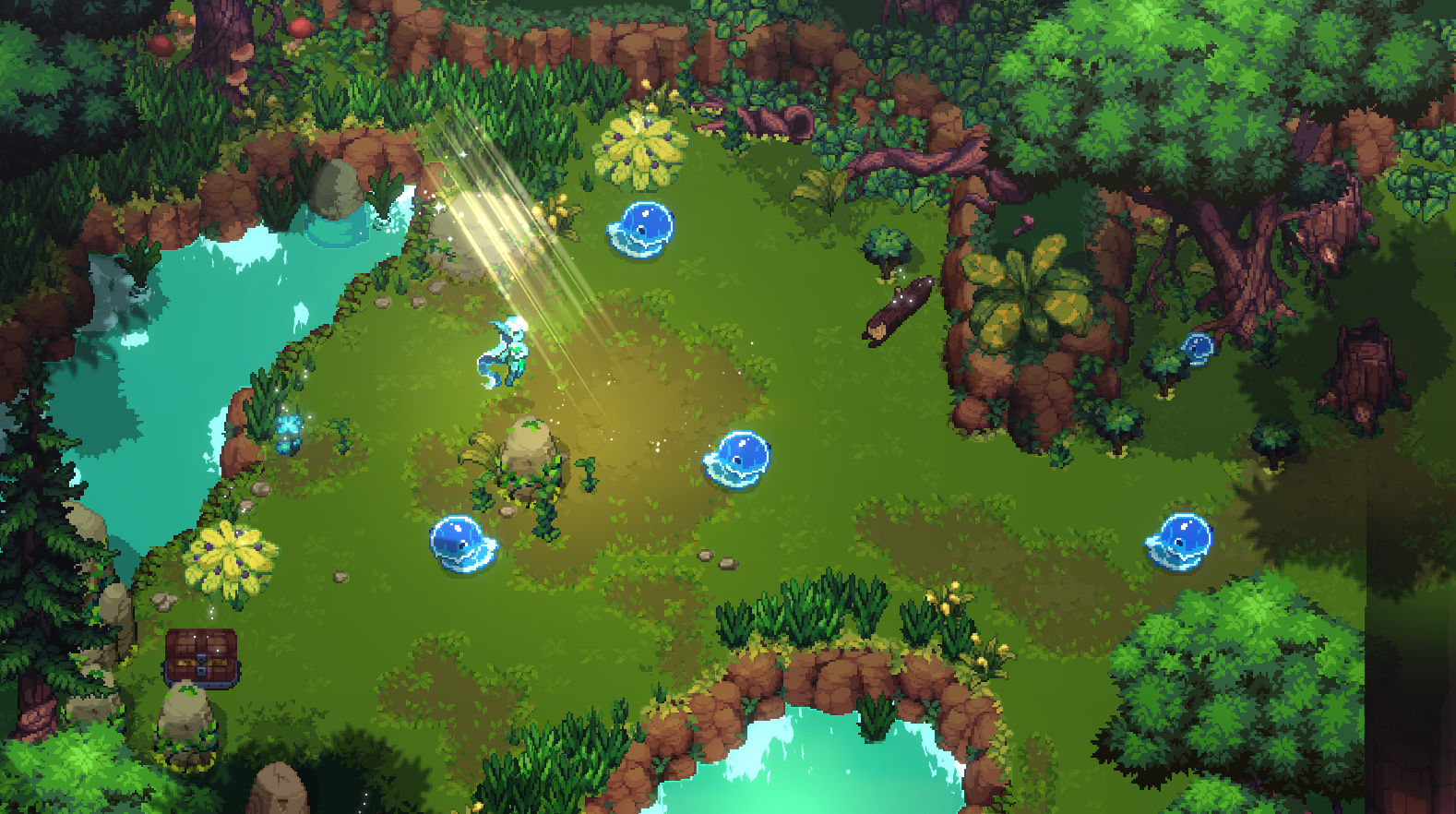
Dimraeth’s difficulty settings are confirmed as a feature of the Early Access build. Mudtek’s 2 September 2026 content update named difficulty levels alongside the skill tree overhaul, expanded Wildwood, Goblin Caves, and the new Elf and Shadow. This page explains what is confirmed and what is practical guidance — not a leaked options menu.
Read Combat Systems for how stamina, Concentration, Final Attack, and poise work before you change a difficulty setting. The meters are the same at every level; what changes is how much room you have to make mistakes.
What is confirmed
Difficulty levels exist in the Early Access build .
They are a named feature on the 2 September 2026 content update.
No public documentation of how many levels exist, what they are called, or what specific modifiers they apply.
That is the entire confirmed fact set. Everything below is inferred from the Souls-lite genre and what the studio has published about combat tuning. Treat it as framing, not as a patch note.
What difficulty likely changes
Souls-lite action RPGs with difficulty settings typically adjust:
Enemy health and damage — higher difficulty means more health bars to burn and more damage to dodge.
Enemy aggression or density — more packs, faster attacks, or tighter spawn windows.
Reward multipliers — harder settings often drop better loot or more materials.
Co-op scaling — some games normalize or amplify enemy stats when multiple players join.
Dimraeth is peer-to-peer co-op for 1–8 players. Mudtek has said the game is tuned for solo through eight-player sessions, meaning a boss that is fair for one host should not dissolve when seven friends pile in. That tuning goal suggests difficulty levels may interact with player count — but the exact formula is not public.
How difficulty sits with co-op
The studio’s stated goal is that the game “should not instantly dissolve when seven friends pile on — and should not become unreadable noise either.” That is a design constraint, not a difficulty setting name.
If difficulty levels exist in the options menu, they likely apply per session, not per character. A player who finishes a region on hard mode does not carry a permanent debuff into a friend’s easy-mode world.
In practice: if your group is learning, stay on the lower setting and focus on meter management first. If your group already understands stun windows and Final Attack timing, higher difficulty gives more reward surface area for the same time investment.
Why difficulty matters for the stronghold loop
Crafting and farming materials come from combat. If difficulty settings change reward multipliers, harder settings accelerate the stronghold loop — more materials per run means faster upgrades, faster potions, faster spellbook purchases. That is standard genre practice; confirm against the in-game tooltip when Early Access opens.
The stronghold is where gathered materials become food, potions, and gear. A harder difficulty that rewards more materials per clear is a faster stronghold, not a different one.
What this page will not do
No invented difficulty tier names. No fabricated health pools or damage percentages. No “easy mode removes stamina” claims. When Mudtek publishes the options menu or a developer post names the actual levels, this page should be updated with those exact labels.
Until then, the honest summary: difficulty levels are real, they exist in the Early Access build, and the practical advice is the same as every Souls-lite: learn the meters at the setting where you can read the telegraphs, then raise it when the meters are habits.
For combat fundamentals, open Combat Systems . For how difficulty interacts with co-op hosting, open Co-op Play . For a concrete starter plan before you touch any setting, open Getting Started .